






What if you're already getting seven to nine hours of sleep every night and still wake up tired?
Maybe your alarm goes off, and the first thing you reach for is a cup of coffee because you can't imagine starting your day without it. You went to bed at a reasonable hour, so why do you still feel exhausted?
Can one simple change to your bedtime routine help you sleep better?
It's easy to assume that taking a warm shower before bed helps because it's relaxing. That's true, but it's only part of the story.
The real reason is much more interesting.
Every night, long before your head hits the pillow, your body begins preparing for sleep. Your brain, hormones, and even your body temperature work together behind the scenes to help you wind down.
A warm shower takes advantage of that natural process.
This article will help you understand what's happening inside your body at bedtime. Once you do, you'll know exactly when to shower and how warm the water should be. Those two details can make a real difference in how quickly you fall asleep and how well you sleep through the night.
How a Warm Shower Signals to Your Body That It’s Time for Sleep

It all starts with your body temperature.
When it’s almost bedtime, your body’s core temperature starts to drop. This decline tells your body that it’s time to rest.
So where does a warm shower fit into all of this?
At first, it seems like it shouldn't. After all, wouldn't warm water make your body warmer?
Surprisingly, the opposite happens.
When warm water touches your skin, your body begins responding within minutes. The blood vessels near the surface of your skin widen, allowing more blood to flow through them. Scientists call this vasodilation. While you probably won't notice it happening, this simple change helps your body release heat more efficiently.
As your body cools afterward, your core temperature continues to drop. So, a warm shower works with your body's natural sleep rhythm, reminding it that bedtime is getting closer.
In a 2019 systematic review and meta-analysis, people who took a warm shower or bath about one to two hours before bedtime fell asleep faster and had better sleep quality than those who didn't (Haghayegh et al., 2019).
The benefit wasn't simply feeling relaxed. The warm water helped reinforce natural signals that it was time for bed.
Why You Can Sleep Eight Hours and Still Wake Up Tired
Most of us have been taught to focus on how many hours we sleep. We celebrate getting a full night's sleep and feel guilty when we don't. But here's something many people don't realize:
Sleeping longer doesn't always mean sleeping better.
In fact, according to the National Sleep Foundation (2024), the quality of your sleep is just as important as the number of hours you spend in bed.
Most adults need between seven and nine hours of sleep, but a lot can happen during those hours. You can spend eight hours in bed and still wake up feeling tired if you didn't sleep well. Or seven hours of high-quality sleep may leave you feeling much more refreshed.
That's because your body isn't simply "turned off" while you sleep.
It’s getting to work.
While you're asleep, your body is repairing your tissues and helping your immune system do its job. It's also keeping your hormones working the way they're supposed to, organizing your memories, and preparing your brain for the next day.
If you're a parent, here's another fascinating fact. Children and teenagers release growth hormone during sleep. That's one reason a good night's sleep is such an important part of healthy growth and development.
When those behind-the-scenes jobs are interrupted, your body notices even if you don't. You may wake up feeling sluggish and struggle to concentrate during the day.
Feeling tired the next day is frustrating enough. But that's only part of the story.
Poor sleep is also linked to problems with heart health (American Heart Association, 2023), metabolism, and mood.
And those aren't the only effects. Research has shown a strong connection between sleep and mental health. Taylor et al. (2005) reported that people with insomnia are about 10 times more likely to experience depression. They are also 17 times more likely to experience anxiety than the general population (Taylor et al., 2005). People with sleep apnea also face a higher risk of both conditions (Kaufmann et al., 2017).

How to Know if You're Getting Good Sleep
So how do you know if you're actually getting good sleep?
Fortunately, you don't have to guess.
Here are four signs you're probably getting good sleep (National Sleep Foundation, 2024):
- You fall asleep within about 30 minutes. If you're regularly lying awake much longer than that, it may be a sign that something is interfering with your sleep.
- You rarely wake up during the night. Most healthy adults wake once or not at all. Frequent awakenings can make your sleep feel less refreshing, even if you don't remember all of them.
- If you do wake up, you fall back asleep fairly quickly. Spending long periods awake during the night can reduce the restorative benefits of sleep.
- Most of your time in bed is spent sleeping. Ideally, you're asleep for the majority of the time you're in bed, not lying awake trying to drift off.
This is why your bedtime routine matters more than many people realize. What you do in the hour or two before bed matters. Sleep hygiene habits, like taking a warm shower or bath, can help your body prepare for sleep, but bad habits can make it harder to fall asleep.
Don't Have Time for a Bath? Here's the Good News.
Maybe you're thinking, "That sounds great, but I don't have time to take a bath every night."
Fortunately, you don't need a long soak to enjoy these benefits.
If you don't have time to soak in the tub, even a quick warm foot bath or a 10-minute shower can fit into a busy schedule and still provide sleep benefits. Researchers Durgun & Kaya (2025), older adults with sleep difficulties who soaked their feet in warm water about an hour before bedtime reported better sleep and greater comfort.
Another study found that warm water and warm saltwater baths for the hands and feet helped people with rheumatoid arthritis improve pain, fatigue, and sleep quality (Aktas et al., 2025).
Improving your sleep doesn't always require a complete overhaul of your lifestyle. Sometimes it starts with one simple change to your evening routine, and a warm shower may be one of the easiest places to begin.
Shower vs. Bath: Which is Better Before Bed?
By now, you may be wondering:
Should you take a warm shower or soak in a warm bath?
The good news is that you don't have to choose one over the other.
For most people, either one can help. The biggest difference isn't whether you're standing or soaking. It's whether you're giving your body the warmth it needs to start the natural cooling process we talked about earlier.
Another detail matters, too: the water's temperature.
Research now shows that water temperatures between 104°F and 109°F (40°C–42.5°C) give the greatest improvements in sleep quality. Instead of making the water as hot as you can tolerate, aim for a temperature that feels comfortably warm.
If you enjoy taking baths, though, there is one advantage.
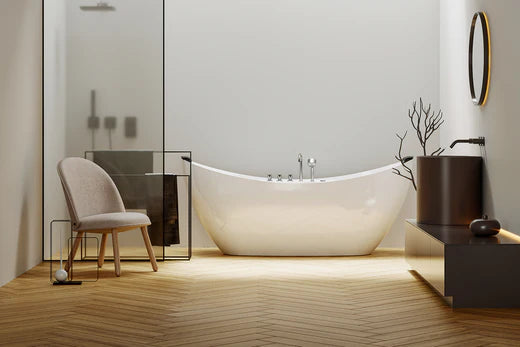
It lets your whole body stay surrounded by warm water a little longer. That gives your body more time to unwind before bed. If you enjoy baths, you may also want to look into Japanese-style soaking tubs. They allow you to immerse more of your body while using less water than a traditional bathtub.
Of course, there's one problem that most bath lovers know all too well.
The water doesn't stay warm forever.
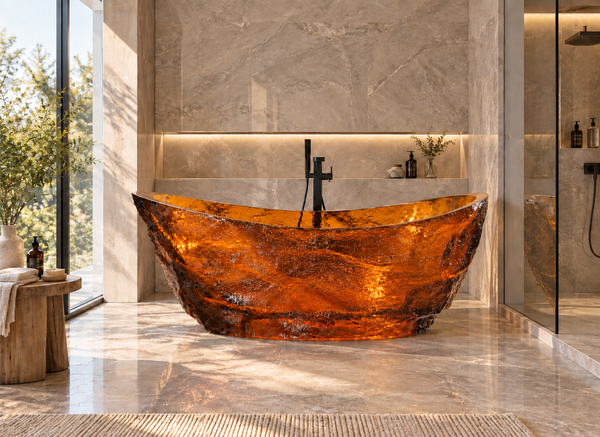
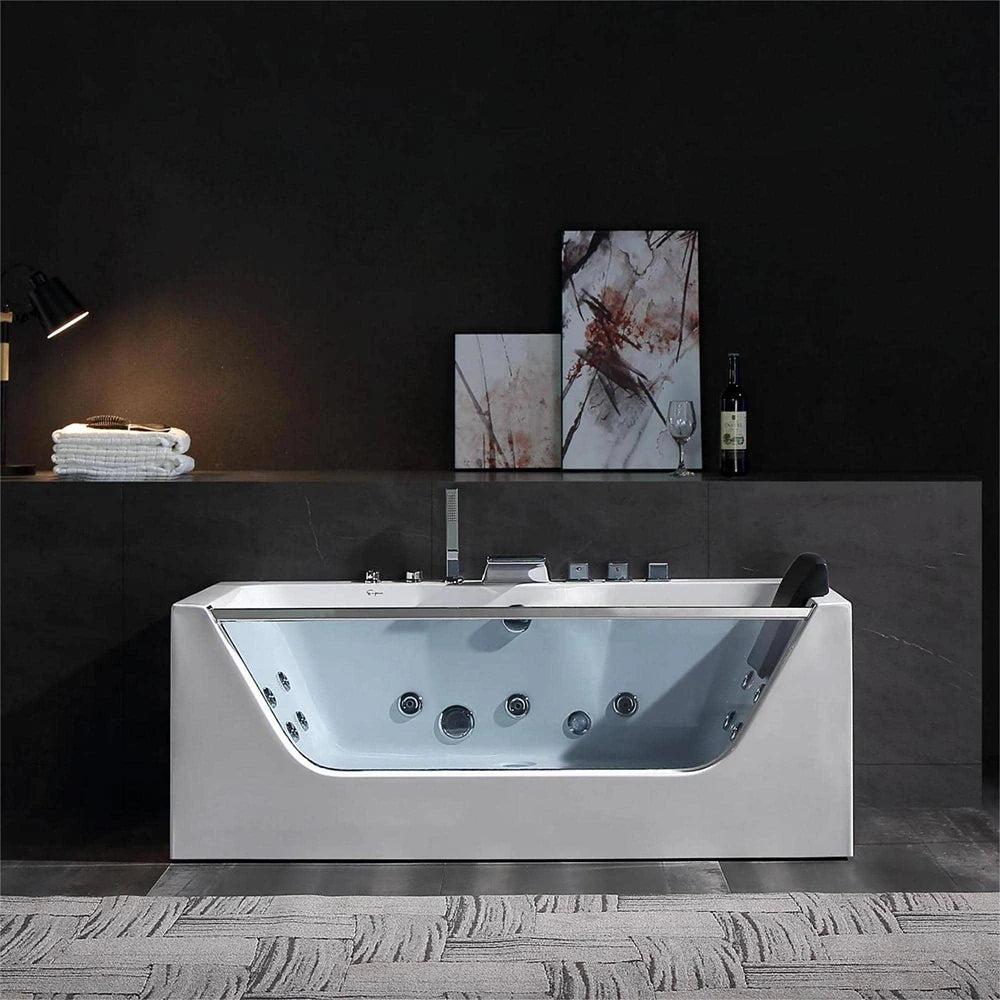
If you've ever had to add more hot water halfway through a bath, you know exactly what we're talking about. That's one reason we designed our 59" Alcove LED Whirlpool Bathtub with Center Drain to help keep water warm for up to 40 minutes. Instead of cutting your soak short or adding more hot water every few minutes, you can relax and enjoy the experience from beginning to end. The tub's 11 whirlpool jets also help relax tired muscles and joints. And despite how powerful the jets are, you can adjust the angle and intensity to suit children or pets, offering holistic health for the entire family.
One last thing to keep in mind: hotter isn't always better.
If the water is uncomfortably hot, it may actually leave you feeling overheated or increase your heart rate before bed. For the best results, keep the water comfortably warm, not steaming hot. And give your body time to cool afterward.
So, how long should a warm shower be?
You don't have to spend half an hour in the bathroom. Even 10 minutes in warm water may be enough to help your body begin the cooling process that supports better sleep, especially if you take a shower or bath one to two hours before bedtime.
If you're soaking in a bath, you may choose to stay a little longer if the water remains comfortably warm, but the goal isn't to stay in as long as possible. It's to give your body enough time to respond to the warmth before you go to bed.
What’s a Good Sleep-Friendly Bath Routine?
By now, you know that a warm shower isn't magic.
It's simply one way to help your body do what it was already preparing to do.
The next step is turning that knowledge into a bedtime routine.
Here's an example you can start with tonight.
90 minutes before bed
Turn off bright overhead lights and dim the lighting in your home. Several Empava tubs include integrated LED lighting. For example, the 59" Alcove LED Whirlpool Bathtub with Center Drain.

75 minutes before bed
Take a warm shower or enjoy a relaxing soak in a warm bath.
60 minutes before bed
Moisturize your skin.
Change into comfortable sleepwear.
30 minutes before bed
Read a book.
Stretch gently.
Put away your phone and other screens.
Bedtime
Go to bed in a cool, dark, quiet bedroom.
You don't have to do everything perfectly. Just be consistent. The more consistent your bedtime routine becomes, the easier it is for your body to recognize when it's time to wind down and prepare for sleep.
Frequently Asked Questions
Can a warm shower help with insomnia?
It may help some people fall asleep more easily, especially if their difficulty sleeping is occasional. However, a warm shower isn't a treatment for chronic insomnia. If you've been struggling with insomnia for weeks or months, it's a good idea to talk with your healthcare provider.
Is it okay to take a hot shower immediately before bed?
Not necessarily. While a warm shower may help prepare your body for sleep, hotter isn't always better. Water that's too hot can leave you feeling overheated and may even increase your heart rate, exactly what you don't want before bed. Instead, aim for a warm shower about one to two hours before bed. That gives your body enough time to cool down afterward, which is one reason warm showers may help promote better sleep.
Hot water certainly has its place. Many people enjoy hotter showers or baths after exercise because the heat can help increase blood flow and temporarily ease muscle and joint soreness. But if your goal is better sleep, warm water is the better choice.
Does a warm shower improve deep sleep?
Researchers know that warm showers and baths can help people fall asleep faster and improve overall sleep quality. They're still learning exactly how warm water affects deep sleep, but the findings so far are promising.
Can a warm shower reduce stress before bed?
Yes, for many people, it can. A warm shower creates a quiet moment to step away from the demands of the day. It can help relax tense muscles and signal to your body that it's time to slow down and get ready for sleep.
Should you take a warm shower or a cold shower before bed?
If better sleep is your goal, a warm shower is usually the better choice. Cold showers can make some people feel energized and alert. Warm water works with your body's natural bedtime rhythm. It's also important to consider safety. If you have certain health conditions, such as cardiovascular issues or skin sensitivities, consult your healthcare provider before incorporating warm showers into your bedtime routine.
Who may benefit the most from taking a warm shower before bed?
Almost anyone can enjoy adding a warm shower to a healthy bedtime routine. If you're looking for a natural sleep aid, it’s worth considering. It may be especially helpful if you have trouble falling asleep after a stressful day or if you exercise in the evening. It may also help if you're trying to build healthier sleep habits.
Are whirlpool tubs good for relaxation before bed?
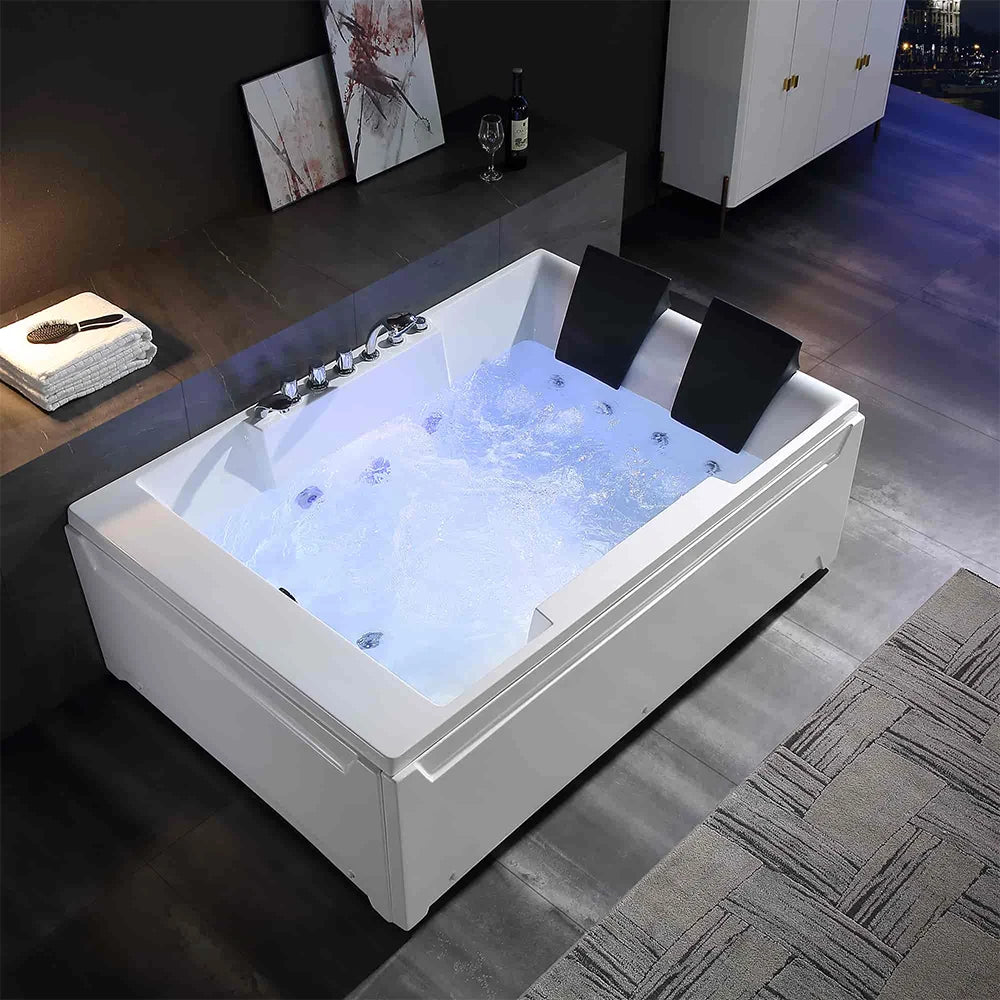
If you've ever wished you could stay in a warm bath just a little longer, a whirlpool tub may be worth considering. Empava’s whirlpool tubs, like the 71" Freestanding Combo Massage Whirlpool Inline Heater 2-Person Bathtub, are perfect for keeping your water warm. The warm water helps prepare your body for sleep, while 4 illuminated bubble jets release soothing bubbles that help you relax.
Can a soaking tub help you sleep better?
A soaking tub doesn't make you fall asleep on its own, but it can help create the right conditions for better sleep. Staying immersed in warm water a little longer gives your body more time to unwind before bed.
What is a Japanese-style soaking tub?
A Japanese-style soaking tub is deeper than a traditional bathtub. It allows you to sit comfortably while the warm water reaches your shoulders. Many people enjoy it because it creates a more immersive soaking experience. Empava offers several Japanese-style soaking tubs. For example, the 59" Freestanding Japanese-Style Air Massage Bathtub with Reversible Drain.
A Better Night's Sleep May Be Simpler Than You Think
Getting better sleep isn't always about spending more time in bed. Sometimes it's about giving your body a better opportunity to get the rest it needs.
Tonight, try one small experiment.
Take a warm shower about 90 minutes before bed. Dim the lights. Put your phone away a little earlier than usual. Tomorrow morning, pay attention to how you feel.
You may find that one small change makes a bigger difference than you expected.
And if you love ending the day with a warm bath, you should definitely create a space that makes this routine easier. Maybe that's a deep soaking tub, a Japanese-style soaking tub, or a whirlpool bathtub. Whatever you choose, the right bathtub can make you look forward to your bedtime routine.
After all, tomorrow doesn't begin when your alarm goes off.
It begins with how well you sleep tonight.
Sources
Aktaş, O., Dönmez, A. A., Kapucu, S., & Çinar, M. (2025). The effect of warm saltwater and warm water baths on pain, fatigue, sleep quality, and functional capacity in patients with rheumatoid arthritis: A randomized controlled study. BMC Complementary Medicine and Therapies, 25(1), 302. https://doi.org/10.1186/s12906-025-05050-2
American Heart Association. (2023, June 26). Sleep Disorders and Heart Health. https://www.heart.org/en/health-topics/sleep-disorders/sleep-and-heart-health
Durgun, H. (2025). Effect of Warm Foot Bath on Sleep Quality and Comfort Level of the Elderly: Randomized Controlled Study. Journal of Clinical Practice and Research, 47(2), 173–182. https://doi.org/10.14744/cpr.2025.67425
Haghayegh, S., Khoshnevis, S., Smolensky, M. H., Diller, K. R., & Castriotta, R. J. (2019). Before-bedtime passive body heating by warm shower or bath to improve sleep: A systematic review and meta-analysis. Sleep Medicine Reviews, 46, 124–135. https://doi.org/10.1016/j.smrv.2019.04.008
Kaufmann, C. N., Susukida, R., & Depp, C. A. (2017). Sleep apnea, psychopathology, and mental health care. Sleep Health, 3(4), 244–249. https://doi.org/10.1016/j.sleh.2017.04.003
National Sleep Foundation. (2024, April 12). What Is Sleep Quality? https://www.thensf.org/what-is-sleep-quality/
Taylor, D. J., Lichstein, K. L., Durrence, H. H., Reidel, B. W., & Bush, A. J. (2005). Epidemiology of Insomnia, Depression, and Anxiety. Sleep, 28(11), 1457–1464. https://doi.org/10.1093/sleep/28.11.1457


Dejar un comentario
Todos los comentarios se revisan antes de su publicación.
Este sitio está protegido por hCaptcha y se aplican la Política de privacidad de hCaptcha y los Términos del servicio.