
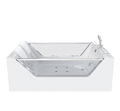
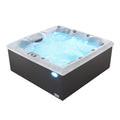
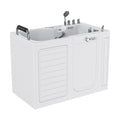




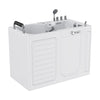
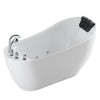
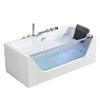
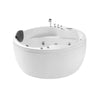






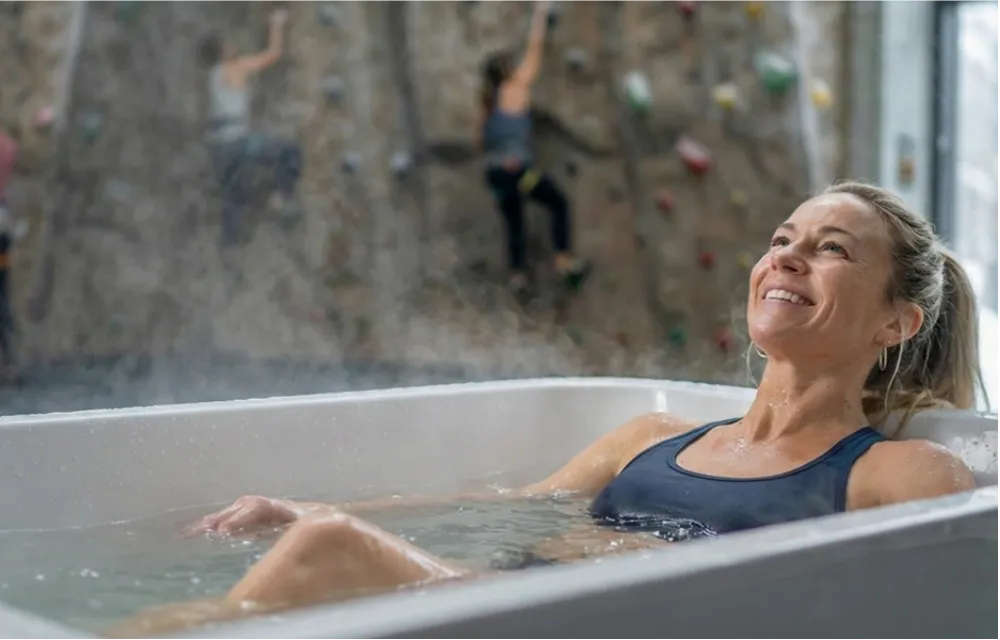
Why has cold plunging become a regular part of the routine for athletes, founders, executives, and other high performers? The appeal is straightforward: it turns recovery into a short, repeatable ritual. A few minutes in cold water can create a clear break between training and recovery—or between a slow morning and a demanding workday.
Cold plunging has also moved well beyond professional locker rooms and biohacking circles. Cold tubs are now showing up in garage gyms, backyard patios, and home wellness spaces across the country. Some people use them after a long run. Others prefer a morning plunge before the workday begins.
But once you get past the social media challenges and celebrity routines, a few practical questions remain: What can cold water immersion actually do? Do you need a dedicated plunge? And how do you build a routine you’ll still be following a month from now?
Here’s a realistic look at the benefits, the limitations, and what first-time users should know.

Why the DIY Ice Bath Usually Doesn’t Last
If you’re curious about cold exposure, turning the shower cold for the final 30 seconds is an easy—and free—place to start.
The next step is often a DIY ice bath. You buy a stock tank or use the bathtub, make a trip to the gas station, load up on bags of ice, and do your best to get the temperature right.
It works. It’s just not especially convenient.
Buying and carrying ice gets old quickly. The water temperature changes from one session to the next, setup takes time, and there’s usually cleanup afterward. In warmer parts of the country, keeping the water cold can become a project of its own.
That amount of preparation may be manageable for an occasional experiment. It’s harder to sustain three mornings a week.
The issue isn’t always the cold. Often, it’s the friction around it.
When a Dedicated Cold Plunge Makes Sense
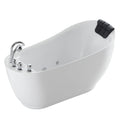
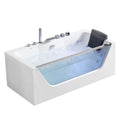
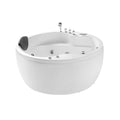
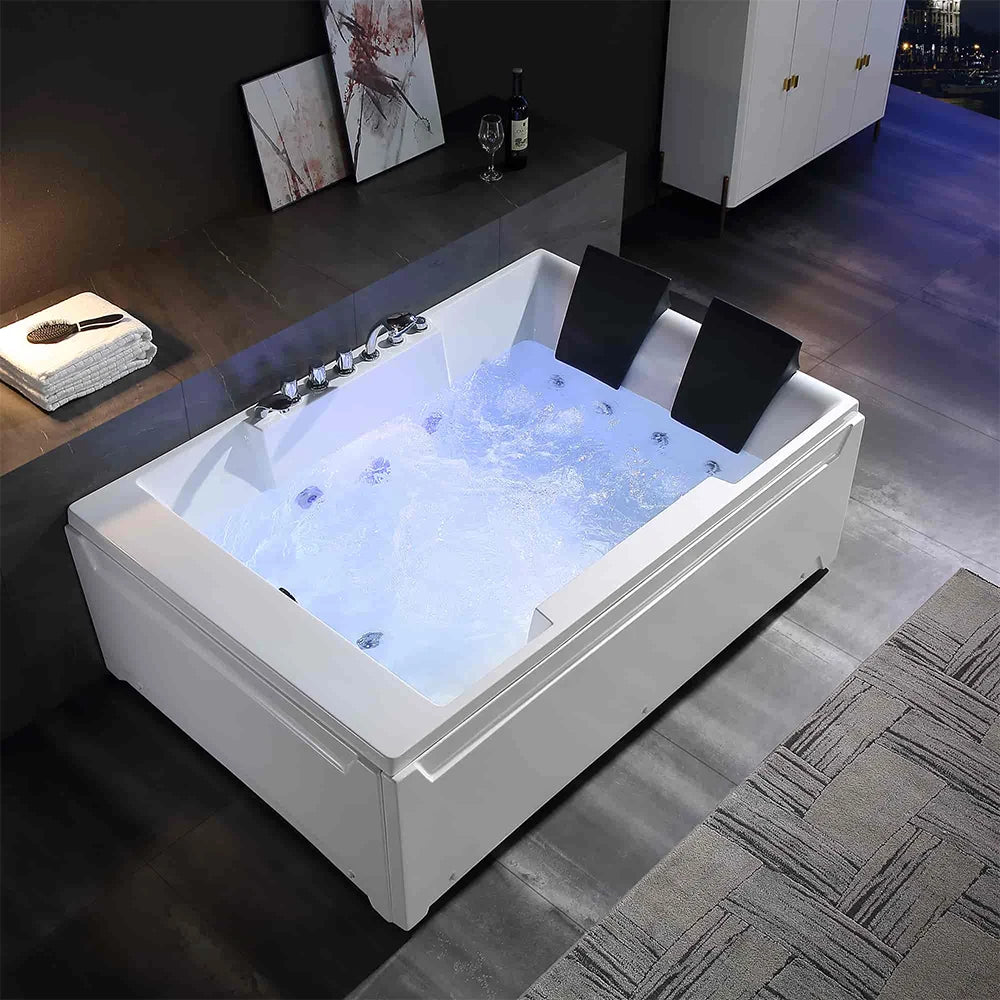
A dedicated plunge removes much of the setup from the routine. Instead of rebuilding an ice bath each time, you have a space specifically intended for cold immersion.
Depending on the model, features may include temperature control, water circulation, filtration, and sanitation support. Always check the specifications and maintenance instructions for the individual product rather than assuming every plunge is configured the same way.
A dedicated system is a larger upfront investment, so it won’t make sense for everyone. If you’ve never tried cold exposure, start with a shower or occasional ice bath first. If you already know you’ll use it regularly, the convenience of an at-home plunge can make the routine much easier to repeat.
And with cold plunging, repeatability matters more than creating the most extreme experience possible.
Three Reasons People Keep Coming Back to Cold Water
1. It May Help With Post-Workout Soreness
Exercise recovery remains one of the better-studied uses of cold water immersion.
A 2023 systematic review and meta-analysis of 44 studies found that cold water immersion performed better than passive recovery for managing muscle soreness across many of the protocols studied. The review also found that longer exposure wasn’t necessarily more effective; short and moderate immersion times generally produced more favorable results than prolonged sessions.
That helps explain why cold plunging remains popular among runners, cyclists, recreational athletes, and people training on a demanding schedule.
It’s worth keeping the benefit in perspective. A cold plunge won’t replace sleep, hydration, balanced nutrition, mobility work, or rest days. It may, however, help the day after a hard workout feel more manageable.
There’s also an important consideration for strength training. When muscle growth is the main goal, repeated cold water immersion immediately after lifting may interfere with some of the adaptations involved in hypertrophy. Current research suggests using cold immersion when fast recovery matters most, while avoiding it directly after resistance training when maximizing muscle growth is the priority.
Timing matters as much as temperature.
2. It Can Feel Like a Morning Reset
Cold water gets your attention quickly.
During the first moments of immersion, breathing, heart rate, and blood pressure can rise as part of the body’s cold-shock response. Once that initial intensity begins to settle, some users describe feeling more awake, focused, or refreshed.
That’s one reason morning plunges have become popular. For someone moving from an early workout into a full day of meetings, a brief cold session can create a clear transition between the two.
That doesn’t mean colder is better. If you’re gasping through the entire session, struggling to stay composed, or counting every second until you can escape, the water may simply be too cold.
The goal is not to beat the temperature. It’s to find a level of cold you can approach with control.
3. It Creates a Few Minutes Without Distractions
A cold plunge is difficult to multitask through.
There’s no scrolling, answering emails, or half-listening to a podcast while doing three other things. For a few minutes, your attention narrows to your breathing and how your body is responding.
That experience can resemble a form of forced mindfulness. The water creates a clear, temporary stressor: your breathing changes, your muscles tense, and your first instinct may be to get out. By entering gradually and slowing the breath, you can practice staying composed through manageable discomfort.
Some people think of this as mental resilience training. That doesn’t make cold plunging a treatment for anxiety, depression, or chronic stress. Research into cold exposure and mental health is still developing, and the evidence does not currently support presenting it as clinical care.
Still, as a personal ritual, it can offer a useful reminder that discomfort can rise, peak, and pass.

How to Start Without Making Yourself Miserable
A sustainable cold plunge routine should feel challenging, but it shouldn’t feel reckless.
Start Warmer Than Your Ego Wants To
You don’t need to begin at 39°F because you saw someone do it online.
Start with water that feels distinctly cold while still allowing you to regain control of your breathing. For many beginners, moderately cold water is a more reasonable introduction than near-freezing temperatures.
As the experience becomes familiar, you can gradually adjust the temperature based on how your body responds.
Keep the First Sessions Brief
There is no universal “perfect” session length.
Begin with a brief exposure rather than copying an advanced user’s three-, five-, or ten-minute routine. End the session if your breathing remains uncontrolled or you experience chest pain, severe shortness of breath, persistent dizziness, confusion, numbness, or loss of coordination.
A shorter session you can approach safely and repeat is more useful than an extreme session you never want to do again.
Enter Gradually
Sudden cold immersion can trigger an involuntary gasp and rapid breathing. Enter slowly, keep your head above the water, and give yourself time to settle.
Focus on smooth, unforced breathing. Avoid hyperventilation and prolonged breath-holding in or near the water, since both can increase the risk of dizziness or loss of consciousness.
Plan Your Exit Before You Get In
Keep a towel, robe, and dry footwear within reach. Use a stable step or handhold, especially if the plunge is outdoors or the surrounding surface may become wet.
If you’re new to cold immersion, don’t use the plunge alone.
Know When to Check With Your Doctor
Cold water causes rapid changes in breathing, heart rate, and blood pressure. Talk with a healthcare professional before trying cold immersion if you have cardiovascular disease, uncontrolled high blood pressure, circulation problems, a history of fainting, or another condition that could affect your response to cold.
People who are pregnant or take medication that affects heart rate or blood pressure should also seek individual medical guidance.

When Is the Best Time to Cold Plunge?
There isn’t one schedule that works for everyone. The best time depends on your goal and how your body responds.
After Endurance Exercise
Cold water immersion may help manage soreness and perceived recovery after running, cycling, and other demanding endurance sessions.
In the Morning
Some users enjoy the temporary feeling of alertness after a morning plunge. Give yourself enough time to enter gradually rather than treating it like a race before work.
After Strength Training
If building muscle is your main goal, consider separating cold immersion from your lifting session rather than plunging immediately after every workout.
If quick recovery between competitions or training sessions matters more than maximizing hypertrophy, the calculation may be different.
In the Evening
Pay attention to your individual response. Some people feel settled after they warm back up, while others find cold exposure energizing and prefer it earlier in the day.
The right time is the one that fits your training plan, schedule, and reason for plunging.
Cold Shower, DIY Ice Bath, or Dedicated Plunge?
Cold Shower
Best for: Trying cold exposure without buying equipment.
Tradeoff: The body is exposed unevenly, and water temperature varies by season and location.
DIY Ice Bath
Best for: Occasional full-body immersion with a lower upfront cost.
Tradeoff: It requires ice, preparation, temperature checks, cleanup, and a water-care plan.
Temperature-Controlled Cold Plunge
Best for: People who already know they want cold immersion to become a regular home routine.
Tradeoff: It requires a larger upfront investment and ongoing attention to cleaning, filtration, sanitation, and maintenance.

FAQ
1. Do I Need to Buy Ice for an Empava Cold Plunge?
A: Empava models equipped with an integrated chiller cool the water without requiring bags of ice. Because specifications vary, check the individual product page to confirm the cooling system and temperature range of the model you’re considering.
2. How Often Should I Change the Water?
A: There is no single schedule that applies to every plunge.
Water-change frequency depends on the model, frequency of use, number of users, local water quality, filtration and sanitation system, and whether users shower before entering. Follow the maintenance instructions for your specific Empava model, monitor the water regularly, and replace it whenever water quality can no longer be maintained.
3. Is Colder Always Better?
A: No. Lower temperatures create a more intense cold-shock response but don’t automatically deliver better results.
If you’re gasping throughout the session, shivering violently, feeling dizzy, or losing coordination, get out. A controlled temperature you can approach consistently is more practical than an extreme temperature you can tolerate only briefly.
4. How Long Should a Beginner Stay In?
cStart with a short session and build gradually according to the water temperature and your response. Don’t copy an advanced user’s routine or treat the timer as a challenge.
5. Can Cold Plunging Treat Anxiety or Depression?
A: Cold exposure is being studied for its possible effects on mood and stress, but it is not an established treatment for anxiety, depression, or another mental health condition.
It should not replace support or treatment from a qualified healthcare professional.
Make the Routine Easy to Return To
Cold plunging doesn’t need to involve a frozen lake, a truckload of ice, or an audience.
For many people, it’s simply a few focused minutes between one part of the day and the next—a chance to recover after training, step away from distractions, or begin the morning with intention.
The best routine isn’t the coldest or longest one. It’s the one that fits your life well enough to come back to.

Medical Disclaimer
This article is provided for general educational purposes only and is not intended to diagnose, treat, cure, or prevent any disease.
Individual responses to cold exposure vary. Consult a qualified healthcare professional before beginning cold water immersion if you have an underlying medical condition, take medication that affects heart rate or blood pressure, are pregnant, or have concerns about whether cold exposure is appropriate for you.
References
Batista NP, de Carvalho FA, Machado AF, Micheletti JK, Pastre CM. “What Parameters Influence the Effect of Cold-Water Immersion on Muscle Soreness? An Updated Systematic Review and Meta-Analysis.” Clinical Journal of Sport Medicine. 2023. View the study
Choo HC, Lee M, Yeo V, Poon W, Ihsan M. “The Effect of Cold Water Immersion on the Recovery of Physical Performance Revisited: A Systematic Review With Meta-Analysis.” Journal of Sports Sciences. 2022. View the study.
Tornero-Aguilera JF, et al. “The Cold-Water Immersion Recovery–Adaptation Paradox: Reconciling Acute Parasympathetic and Analgesic Benefits With Chronic Hypertrophy Attenuation.” Experimental Physiology. 2026. View the review.
American Heart Association. “The Plunge Into Cold Water Comes With Risks.” Read the safety overview.


Laisser un commentaire
Tous les commentaires sont modérés avant d'être publiés.
Ce site est protégé par hCaptcha, et la Politique de confidentialité et les Conditions de service de hCaptcha s’appliquent.