





















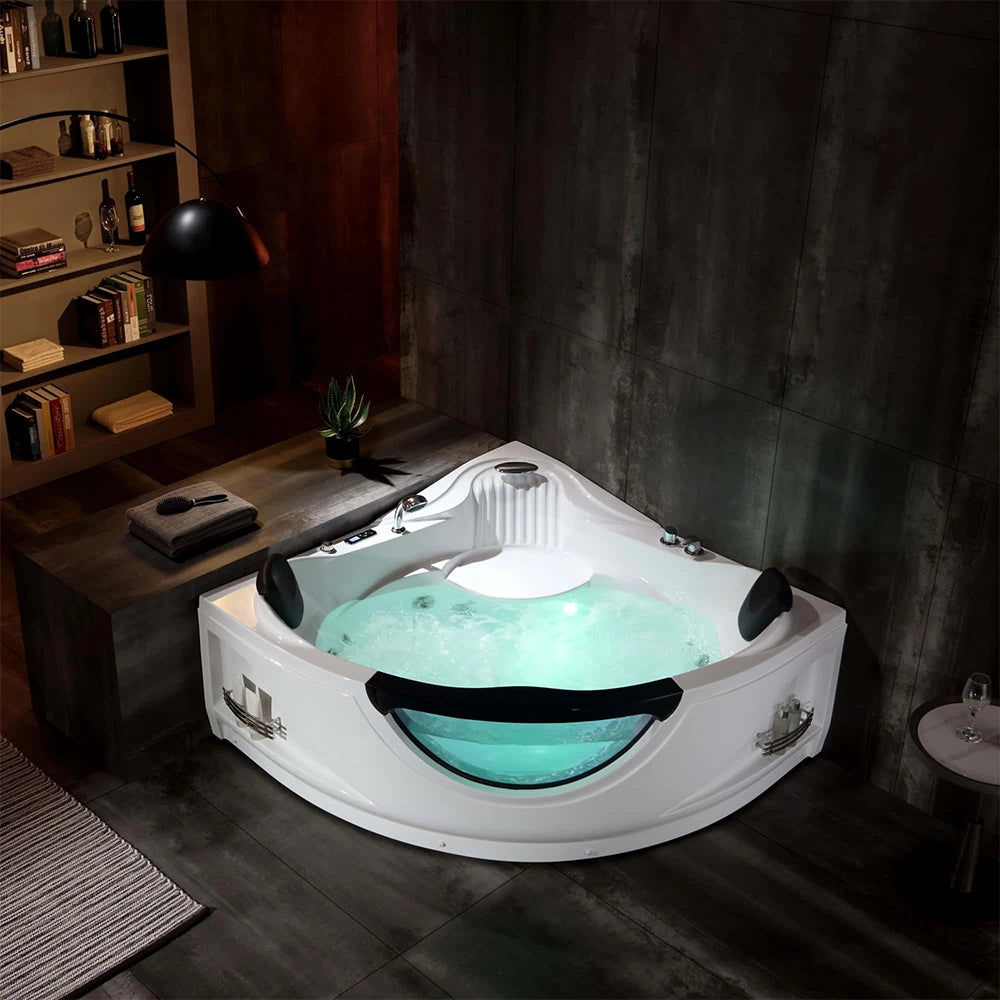
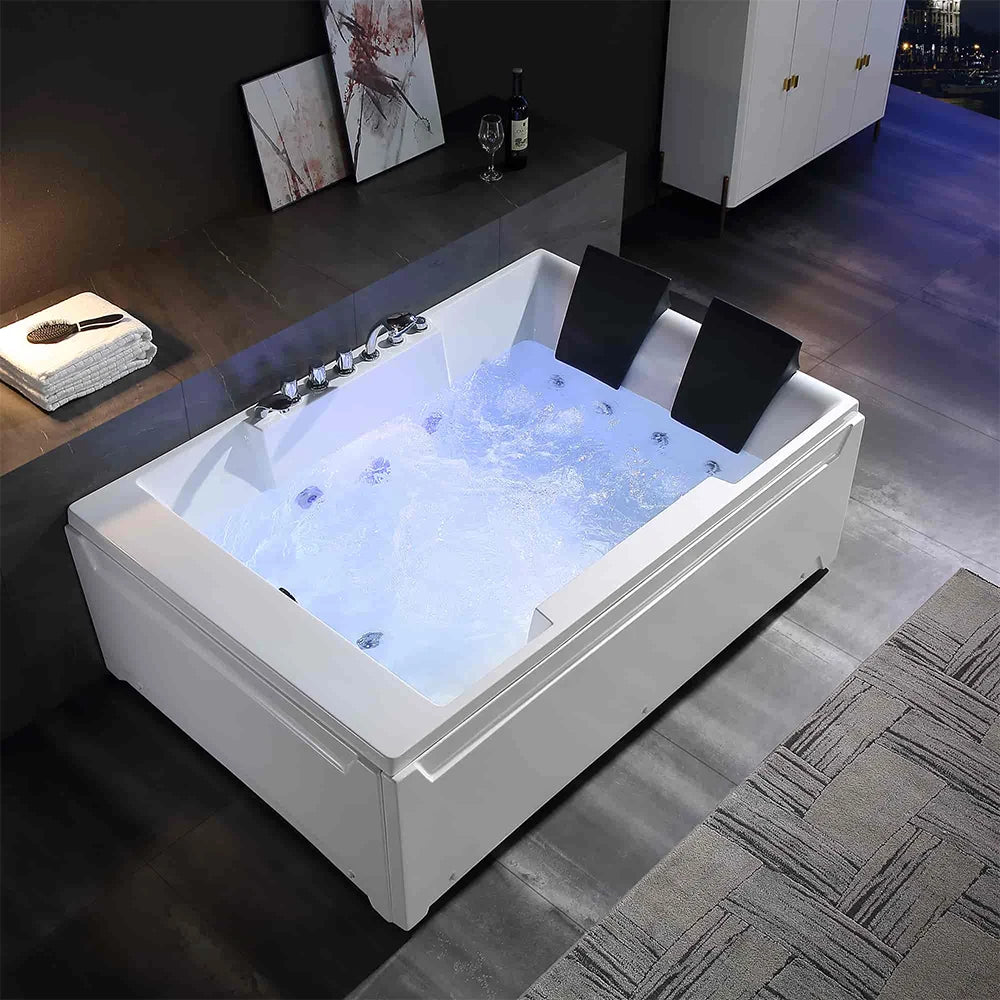

You finish a hard workout, drop the towel over your shoulder, and look at the cold plunge. Getting in feels like the obvious next step.
Sometimes it is. Sometimes it isn’t.
The deciding factor has less to do with how cold you can handle and more to do with what you wanted from the workout in the first place. Someone trying to feel ready for another race tomorrow has a different recovery goal than someone lifting four days a week to build muscle.
Cold water can help with one of those goals. Used automatically after every workout, it may complicate the other.
Start With What You Need Tomorrow
The strongest case for a post-workout cold plunge is fairly practical: you’ve worked hard, you’re likely to be sore, and you need to perform again soon.
That might mean you’re in the middle of a weekend tournament. Maybe Saturday’s long run is followed by another training session on Sunday. Or perhaps you just finished the first day of a cycling event and would prefer not to wake up feeling as though your legs have been replaced with concrete.
This is where cold water immersion can be useful.
Research suggests that it may reduce the perception of delayed onset muscle soreness after strenuous exercise. In plain English, you may feel less beat up the next day. That doesn’t necessarily mean every part of the muscle has recovered faster, but when another session is already on the calendar, feeling more comfortable can matter.
A 2023 systematic review and meta-analysis covering 44 studies found that cold water immersion helped manage muscle soreness compared with passive recovery across many of the protocols examined. It also found that longer sessions were not necessarily more effective—helpful context for anyone who assumes that more suffering must equal more recovery.
So, if you’ve just finished a long run, a hard ride, or a day of competition and need to go again soon, a post-workout cold plunge can make sense.
After an easy three-mile jog? You probably don’t need to turn recovery into a production.

Where Strength Training Changes the Answer
Things get more complicated after lifting.
Resistance training is not just something the body needs to “recover from.” It is also a signal. The stress of the workout sets off a series of processes involved in repair and adaptation—the work that eventually contributes to greater strength and muscle growth.
Cold water immersion can make sore muscles feel better, but repeatedly cooling them immediately after lifting may dampen some of the signals involved in that adaptation.
This is sometimes presented online as though one ice bath will cancel an entire workout. It won’t. The real concern is much less dramatic: making immediate cold immersion a habit after every resistance session when hypertrophy is your main goal.
If you lift occasionally for general fitness, the tradeoff may not matter much to you. If you’re following a structured muscle-building program and measuring progress carefully, it is worth paying attention to.
You’ll often see advice telling lifters to wait exactly four or six hours before getting into cold water. The science is not that precise. There is no universally proven countdown that works for every person, workout, and water temperature.
A simpler approach is to give lifting and cold immersion their own space. Lift in the afternoon and plunge the following morning. Use the cold plunge on a conditioning day. Save it for a rest day or for the times when recovering quickly matters more than maximizing every possible training adaptation.
No stopwatch required.

Runners, Cyclists, and Weekend Competitors Have a Different Calculation
Endurance athletes tend to care about the same things lifters do—progress, consistency, and adaptation—but their schedules often create a different kind of recovery problem.
A runner in the final weeks of race preparation may have a long session on Saturday and another run soon afterward. A cyclist may be working through several high-volume days. Someone playing in a recreational soccer tournament may have only a few hours between games.
In these situations, short-term readiness moves higher on the priority list.
That does not make a cold plunge mandatory. Plenty of people recover without one. But when soreness could make the next session unnecessarily miserable, cold immersion may be worth using.
The same reasoning applies to HIIT and team sports. Look at the workout you completed, then look at what comes next. If tomorrow is another demanding day, the plunge may earn its place. If tomorrow is a rest day and today’s session was fairly ordinary, you can probably skip it without losing anything.
That is a more useful way to think about recovery than treating cold water as the mandatory ending to every workout.
What This Might Look Like in an Actual Week
Let’s say you run four days a week.
Monday is an easy run. There’s no real reason to plunge unless you simply enjoy it. Wednesday is a harder interval session, but Thursday is light, so again, it may not be necessary. Saturday is your long run, and your legs tend to feel heavy the next morning. That is the session after which a cold plunge may be most useful.
A strength-focused week could look different. You might skip cold immersion after Monday’s heavy lower-body session, use it after conditioning on Tuesday, and plunge again on Thursday when you aren’t lifting.
The point isn’t to follow someone else’s perfect schedule. It’s to stop treating every workout as though it creates the same recovery needs.
A short note on your phone can help. Write down the workout, whether you plunged, and how you felt the next morning. After a few weeks, you may notice that cold water helps after long runs but makes little difference after ordinary gym sessions.
That kind of pattern is more valuable than copying the routine of a professional athlete whose training week—and recovery staff—looks nothing like yours.

Don’t Turn Recovery Into Another Competition
Cold plunge culture has a habit of making everything about numbers: lower temperature, longer session, tougher person.
Your muscles do not care whether the setting looks impressive on Instagram.
Research protocols vary considerably in temperature, duration, and immersion depth, so there is no single formula that applies to everyone. A colder session is more demanding, and it generally calls for a more conservative duration.
You should be able to regain control of your breathing after entering the water. If you remain unable to do so—or experience chest pain, severe shortness of breath, dizziness, confusion, numbness, or loss of coordination—get out.
The point of a recovery session is to support your next workout, not to create another event from which you need to recover.
Cold immersion is also not a good way to hide an injury. Normal post-workout soreness tends to be broad and gradual. Sharp pain, significant swelling, joint instability, or a sudden loss of strength deserves a different response. Temporarily making the area feel numb does not solve the problem.
Making the Routine Practical
An improvised ice bath works. It just comes with more errands than most people expect.
There’s the trip for ice, the guessing game with temperature, the setup, and the cleanup. In July, the water may start warming before you’ve even changed out of your running clothes. That may be fine for the occasional session. It gets less appealing when cold immersion becomes a regular part of training.
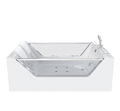
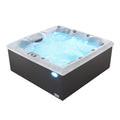
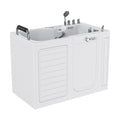
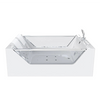
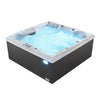
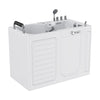
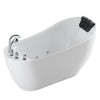
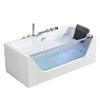
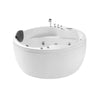
A temperature-controlled cold plunge makes it easier to return to a familiar setting. Instead of rebuilding the bath each time, you can use the temperature that has worked for you before and focus on the session itself.
That convenience doesn’t eliminate maintenance. Water quality, filtration, sanitation, and cleaning still require attention, and features vary from one model to another. Check the specifications and care instructions for the particular plunge you’re considering.
The real advantage is not that a dedicated plunge magically improves recovery. It removes enough friction that you can use cold water consistently on the days when it actually makes sense.

A Few Times to Sit This One Out
Skip the plunge if you’ve been drinking, feel sick or unusually weak, or suspect that you may be injured. New users should not plunge alone, and everyone should have a safe, stable way to get in and out.
Cold water places immediate stress on the cardiovascular and respiratory systems. Talk with a healthcare professional before trying it if you have cardiovascular disease, uncontrolled high blood pressure, circulation problems, a history of fainting, or another condition that could affect your response to cold.
The same applies if you are pregnant or take medication that affects your heart rate or blood pressure.
None of this makes cold immersion inherently reckless. It simply means it deserves more thought than filling a tub, starting a timer, and hoping determination handles the rest.
Use the Cold With a Reason
A cold plunge will not make up for five hours of sleep, poor nutrition, or a training plan that never gives you a day off.
What it can do is make soreness feel more manageable when the next workout or competition is coming quickly. It can also create a clear end to a demanding training session—a few quiet minutes before the rest of the day resumes.
But it doesn’t need to follow every workout.
After a long run, race, or closely scheduled event, getting into the cold may be a reasonable choice. After a lifting session designed to build muscle, waiting—or choosing another day—may better fit the work you just completed.
Start with the goal. Then decide whether the plunge belongs.

Medical Disclaimer
This article is provided for general educational purposes only and is not intended to diagnose, treat, cure, or prevent any disease or injury.
Individual responses to cold exposure vary. Consult a qualified healthcare professional before beginning cold water immersion if you have an underlying medical condition, take medication that affects heart rate or blood pressure, are pregnant, or have concerns about whether cold exposure is appropriate for you.
References
Batista NP, de Carvalho FA, Machado AF, Micheletti JK, Pastre CM. “What Parameters Influence the Effect of Cold-Water Immersion on Muscle Soreness? An Updated Systematic Review and Meta-Analysis.” Clinical Journal of Sport Medicine. 2023. View the study.
Choo HC, Lee M, Yeo V, Poon W, Ihsan M. “The Effect of Cold Water Immersion on the Recovery of Physical Performance Revisited: A Systematic Review With Meta-Analysis.” Journal of Sports Sciences. 2022. View the study.
Moore E, Fuller JT, Bellenger CR, Saunders S, Halson SL, Buckley JD. “Effects of Cold-Water Immersion Compared With Other Recovery Modalities on Athletic Performance Following Acute Strenuous Exercise in Physically Active Participants: A Systematic Review, Meta-Analysis, and Meta-Regression.” Sports Medicine. 2023. View the study.
Tornero-Aguilera JF, et al. “The Cold-Water Immersion Recovery–Adaptation Paradox: Reconciling Acute Parasympathetic and Analgesic Benefits With Chronic Hypertrophy Attenuation.” Experimental Physiology. 2026. View the review.
American Heart Association. “The Plunge Into Cold Water Comes With Risks.” Read the safety overview.


Laisser un commentaire
Tous les commentaires sont modérés avant d'être publiés.
Ce site est protégé par hCaptcha, et la Politique de confidentialité et les Conditions de service de hCaptcha s’appliquent.