







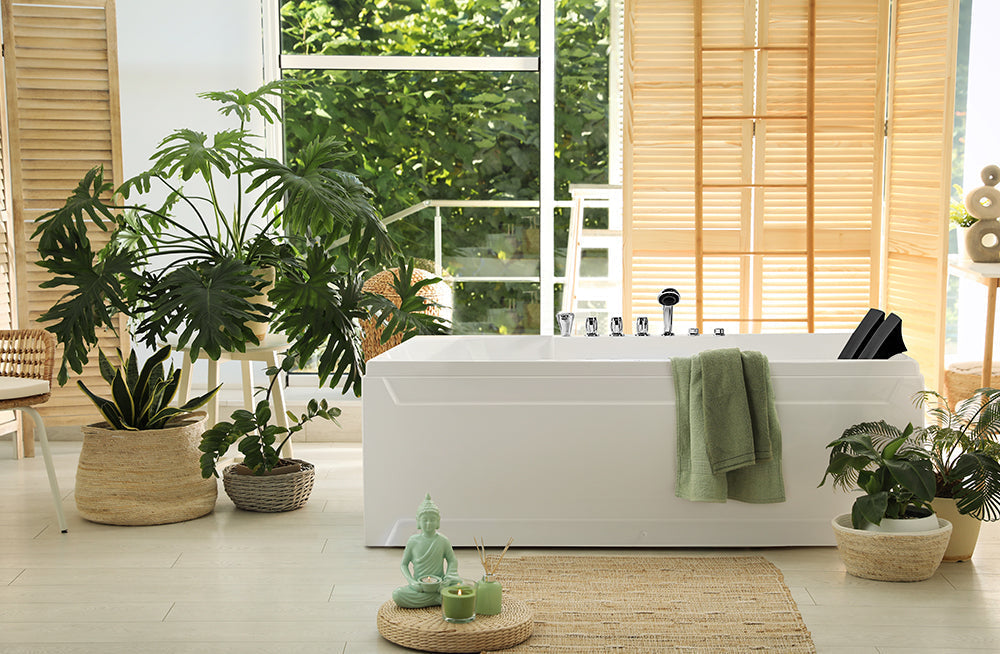
The tub is having a comeback for good reason
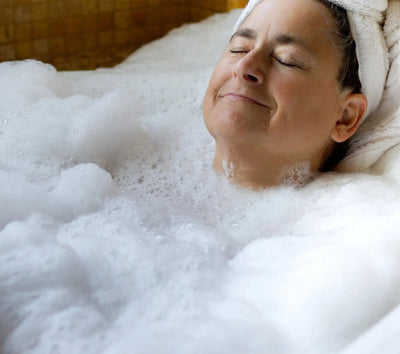
Some evenings ask for more than a shower. They ask for warm water, quieter lighting, phones placed far away from human thumbs, and ten minutes where the house finally stops performing its circus act. For many homeowners, that is the real appeal of a two person whirlpool bathtub. It creates a small return ritual, a way to come back to yourself or come back to each other after the day has taken a few bites out of everyone.
A bathroom that works harder emotionally
Wellness at home has changed. People want bathrooms that earn their keep. A beautiful vanity still matters. Tile still gets its dramatic little moment. Yet the deeper question for many homeowners is more human. Can this room help me slow down, sleep more peacefully, recover after activity, lower the temperature on a stressful day, and share something calm with the person I live with? That is where a thoughtfully designed whirlpool bathtub earns its square footage.

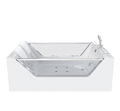
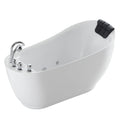
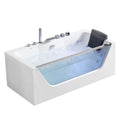
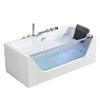
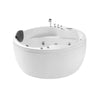
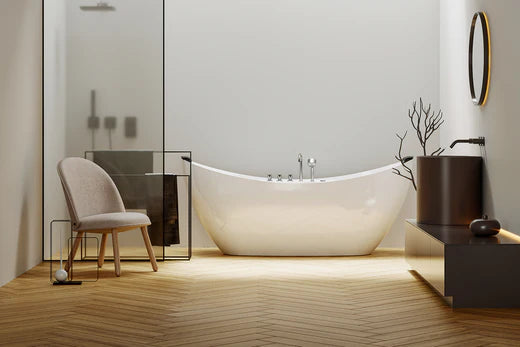
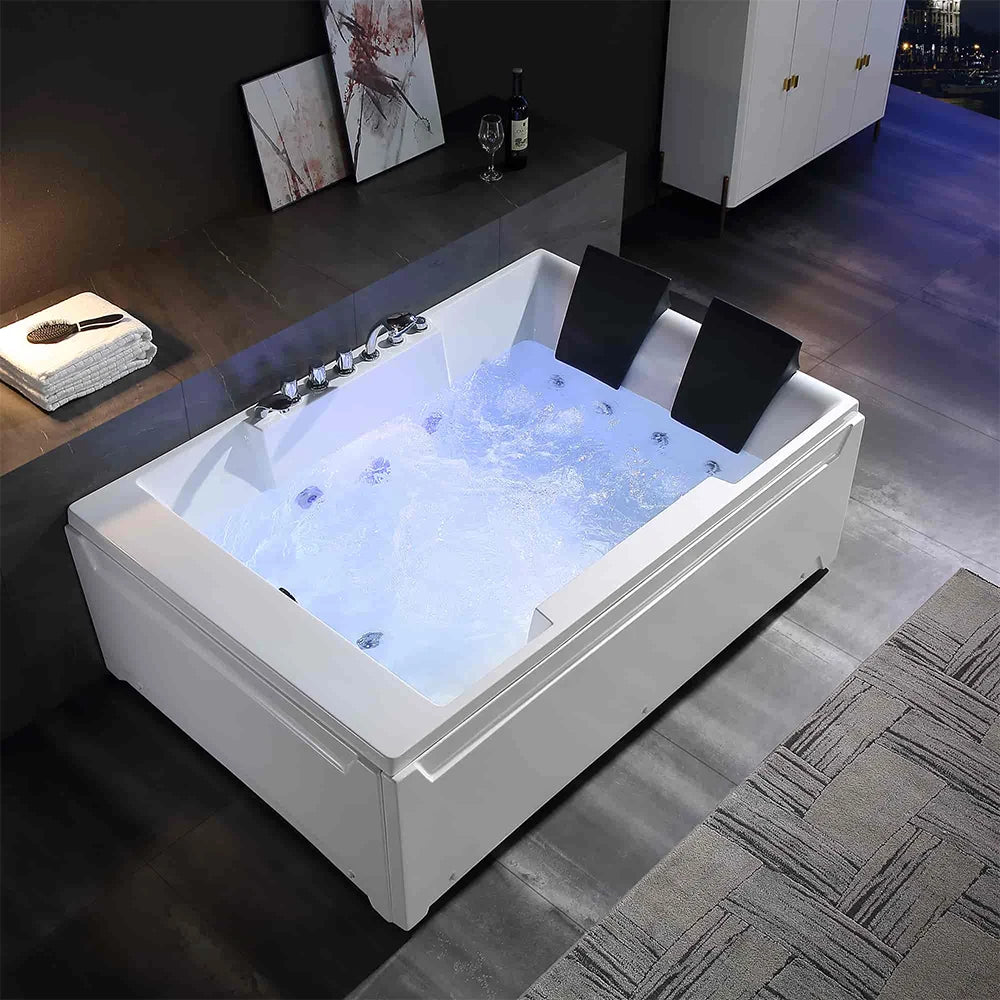
The Empava 72 inch two person whirlpool LED bathtub fits that question because its features serve an actual ritual.
| Feature | Specification |
| External Dimensions | 71" L x 48" W x 24" H |
| Soaking Depth | 16 inches |
| Capacity | 110 gallons |
| Hydrotherapy | 10 water jets |
| Atmosphere | LED chromatherapy |
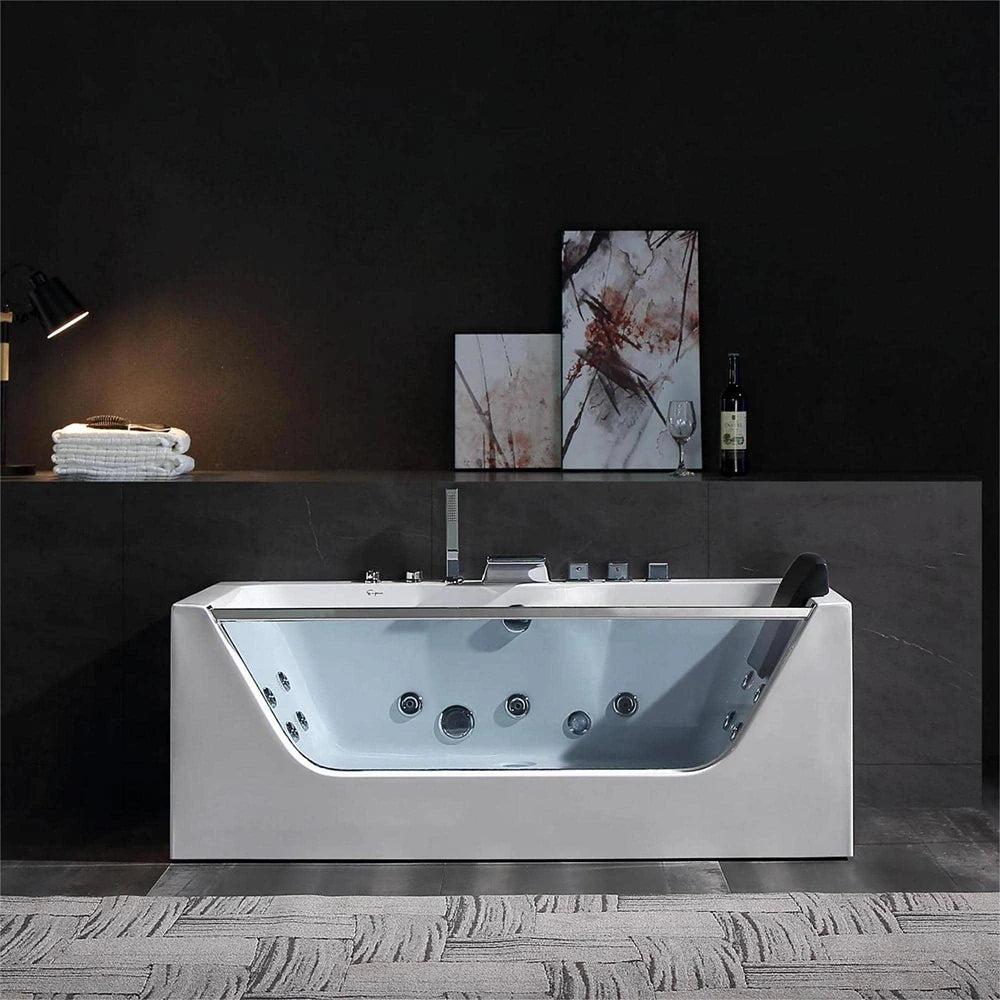
The product page lists a 71 inch by 48 inch by 24 inch alcove or drop in design, two recommended bathers, 10 water jets, dual headrests, LED chromatherapy, reinforced acrylic and fiberglass, a left side drain, a 16 inch soaking depth, and a 110 gallon capacity. Those details sound technical on paper. In real life, they shape how the body rests in the water, how much space two people have, how well the shoulders and back can soften, and how naturally the bath becomes part of an evening rhythm.
The science starts with timing
Warm bathing has a real evidence trail behind it, provided the claims stay grounded and the wellness goblin stays in its cave. A systematic review and meta analysis indexed in PubMed found that warm showers or baths before bedtime were associated with improvements in sleep outcomes, especially when timed roughly one to two hours before bed. The Sleep Foundation explains the likely mechanism in plain language. Warm water raises skin temperature and supports heat release afterward, which can help the body move toward the cooler core temperature that often accompanies sleep.
Another NIH PubMed Central study on hot water bathing and sleep onset in older adults found that bathing one to three hours before bedtime was associated with faster sleep initiation. That point matters for aging adults, caregivers, and homeowners planning a bathroom with long term comfort in mind. The bath works less like a magic switch and more like a cue. It tells the body that the evening has entered a different chapter. The dishes can glare from the sink like tiny ceramic debt collectors. The body gets a calmer memo.
Where Empava fits into the ritual
A two person design changes the emotional purpose of the bath. A standard tub can feel like a solo escape hatch. A two person whirlpool tub can become a shared reset. Couples can talk, sit quietly, breathe together, or enjoy the rare domestic miracle of being in the same room with zero scrolling. For shoppers exploring a bathroom remodel, Empava offers a practical place to start because comfort, installation needs, style, water capacity, and daily habits all deserve attention before a tub becomes part of the home.
What research says about warm water and winding down
Sleep routines need a runway
The most useful research around bathing and wellness centers on timing, temperature, relaxation, and safety. Sleep health relies on rhythm. The CDC sleep health overview emphasizes the importance of adequate sleep as part of overall health, and Mayo Clinic sleep guidance points readers toward a restful environment, less evening light exposure, and calming activities before bed. A bath fits this behavioral pattern beautifully because it gives the evening a physical beginning. Fill the tub. Dim the room. Step away from the phone. Let the body catch up with the idea that the day is winding down.
For a sleep focused bath, many readers will do best with a practical rhythm. Warm water about one to two hours before bed. A 10 to 20 minute soak for many healthy adults. Softer lighting. A cool, quiet bedroom afterward. The goal is comfort and consistency. The bath becomes the opening scene of bedtime rather than a dramatic finale five minutes before climbing under the covers while still steaming like a dumpling.
Warm water, breath, and stress physiology
The stress piece is slightly different. Warm water can create a sensory environment that makes relaxation practices easier to repeat. The National Center for Complementary and Integrative Health reviews relaxation techniques such as diaphragmatic breathing, guided imagery, and progressive muscle relaxation, and notes that diaphragmatic breathing has preliminary evidence for reducing stress markers in some research. Mayo Clinic relaxation guidance also frames these techniques as practical tools for stress management.
That matters because most people already know they should relax, which is about as helpful as telling a blender to become a candle. The setting matters. A warm whirlpool bath gives the nervous system sensory cues that make slow breathing easier. Two people can settle into the water, let the jets move across the back and legs, take five slow breaths, and let the room get quieter. The tub becomes a container for a practice that might otherwise feel like another chore wearing yoga pants.
Recovery claims deserve grown up language
For recovery minded consumers, warm water immersion may support the feeling of looseness after activity by increasing warmth, comfort, and perceived relaxation. A peer reviewed heat therapy review in PubMed Central explains that hot water immersion can create meaningful cardiovascular and thermoregulatory responses. That makes warm water interesting from a physiology standpoint. It also means heat based routines deserve respect, especially for people with cardiovascular concerns, dizziness risk, medication considerations, or heat sensitivity.
Research on exercise recovery remains mixed, which is useful information for honest shoppers. A study on hot water immersion and acute recovery found hot water immersion offered limited advantage over passive recovery for some recovery outcomes, while a systematic review and meta analysis on hydrotherapy and exercise recovery found different water based strategies showed different results across soreness, biomarkers, and performance measures. In consumer language, a whirlpool bath can feel wonderful after activity and may be part of a broader recovery ritual. Medical rehabilitation, injury care, and athletic programming still belong with qualified professionals.
Why two person design changes the whole experience
Comfort begins with posture
A wellness bathtub lives or dies by ergonomics. Pretty matters, yes. Everyone enjoys a bathroom that looks like adulthood finally received funding. Yet comfort decides how often the tub gets used after the novelty fades. The Empava 72JT367LED includes dual headrests, which matter because the neck and shoulders often carry the emotional paperwork of the day. Better support can make the difference between a relaxing soak and a person slowly sliding into a shape best described as confused shrimp.
The 72 inch class also matters for bathroom planning. A smaller tub may work for quick soaking, yet shared bathing asks for more length, shoulder room, back support, and water coverage. Alcove or drop in installation can fit many remodel plans while giving the bathtub a built in, intentional look. For luxury wellness buyers, interior design audiences, and home spa enthusiasts, this matters because a wellness feature should feel integrated into the bathroom rather than parked there like a shiny spaceship.
Jets, movement, and the pleasure of water that does something
Water jets add another layer. The Empava 72JT367LED includes 10 water jets and a 1.2 horsepower motor according to the product page. In a consumer wellness context, those jets can create movement, pressure, and sensory focus. Many people experience that as soothing for the back, legs, hips, and shoulders after long workdays, travel, yard work, or training. The careful language matters. Jets can promote comfort and relaxation. They belong in a wellness routine, while clinical treatment decisions belong with clinicians.
Lighting shapes the mood
LED chromatherapy deserves grounded, useful treatment. Light changes mood and atmosphere in a bathroom. Soft colored lighting can help a soak feel calmer, more special, and warmer than a room that feels accidentally surgical. Current color specific healing evidence remains limited, so the practical value is environmental. Gentle lighting can reduce visual harshness and support a peaceful routine, especially when paired with a screen free evening, quiet music, and a bath temperature that feels warm, steady, and comfortable.
The shared ritual has real lifestyle value
The shared element is easy to underestimate. Many wellness routines are solo by design. Meditation apps whisper into one pair of earbuds. Foam rollers attack one person at a time. A two person whirlpool bath creates a ritual that can include conversation, silence, laughter, or the sacred household art of sitting quietly together after a long day. For homeowners designing a primary suite, that emotional function can matter as much as the technical specifications.
How to build a better evening bath ritual

Start before the water runs
Start with timing. For sleep focused routines, aim for a warm bath about one to two hours before bed, which matches the timing discussed in sleep research and summarized by the Sleep Foundation. Set out towels before filling the tub. Place water nearby. Dim the lights. Choose quiet music, brown noise, or silence. The ritual begins before the faucet turns because the brain loves patterns. Give it a gentle pattern and it may begin to associate the room with release rather than another place to mentally answer emails.
Temperature should feel kind and measured
Temperature is personal, yet restraint wins. Many sleep related bathing studies discuss water around 104 to 108.5 degrees Fahrenheit. That range can feel quite warm, so individual comfort, age, medical history, pregnancy status, medication use, hydration, and cardiovascular health all matter. A bath thermometer can help. Guessing with a toe has a certain medieval charm, but accuracy was hardly medieval civilization’s strongest department.
Give the ritual a simple sequence
Create a sequence the brain can learn. Enter the room. Lower the lights. Let the tub fill. Step in slowly. Take five steady breaths. Let the shoulders drop. Move attention from the jaw to the neck to the back to the legs. This is progressive relaxation in its most human form, minus the sterile handout energy. The warm water supplies comfort, the jets supply movement, and the routine supplies the cue.
Make it easy for two people
For two people, keep the ritual simple enough to repeat. Use a bath tray for water glasses, herbal tea, or a book kept at a safe distance from splash drama. Keep the room warm enough that getting out feels civilized. Try one small conversation prompt, such as what felt heavy today and what can stay outside this room for fifteen minutes. A question like that turns a tub into a shared decompression space with more emotional value than a bigger basin with bubbles.
Use recovery soaks with common sense
For recovery after activity, place the bath after a cool down once heart rate settles from intense exertion. Drink water first. Use warm water for comfort, then follow with gentle mobility or stretching after the soak. People training hard, managing injuries, recovering from surgery, or dealing with chronic pain should follow guidance from a qualified healthcare professional or physical therapist. The bath can support a broader routine, and professional care remains the compass for medical concerns.
What to consider before choosing a wellness bathtub
Start with the bodies using it
A wellness bathtub purchase should begin with the body, the bathroom, and the habits of the people who will use it. Length and width determine how naturally bathers can stretch. Soaking depth affects immersion. Headrests affect neck comfort. Jet placement affects the massage experience. Material affects warmth, cleaning, durability, and feel. Installation type affects remodeling cost and layout. Human beings, in a shocking twist, use products more often when the products fit their actual lives.
Read the specs like a lifestyle plan
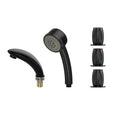
The Empava 72JT367LED has several practical wellness features for shoppers to compare. Its two person recommendation, dual headrests, 10 water jets, LED lighting, reinforced acrylic and fiberglass construction, included handshower, faucet, drainer, overflow, and left drain configuration all shape the ownership experience. The 110 gallon listed capacity also matters for planning around water use and fill time. A homeowner should confirm floor support, plumbing layout, electrical requirements, access panels, ventilation, and local building codes with licensed professionals before installation.
Maintenance is part of the ritual
Cleaning deserves its own moment because home spa dreams age poorly when maintenance becomes mysterious. Whirlpool tubs need regular care for jets, surfaces, drains, and water lines. Buyers should review the product manual, cleaning instructions, warranty details, and installation requirements before purchase. A tub that supports wellness should also support sane ownership. A relaxation ritual ages better when upkeep feels clear, simple, and free of mildew drama.
Plan for comfort over time
Accessibility and aging comfort also belong in the decision. A larger tub can feel more comfortable once seated, yet entry and exit require attention. Consider grab bars, slip resistant flooring, reachable controls, towel placement, lighting, and enough room around the tub for safe movement. Aging adults, people with balance concerns, and anyone with mobility limitations should plan the whole bathing environment, along with the tub. Comfort begins before the water starts.
Safety guidance for warm baths and whirlpool routines
Heat feels good and still deserves respect
Heat based routines deserve respect. Cleveland Clinic explains that hot water immersion can raise body temperature while blood pressure drops, and its guidance for people with known or suspected heart disease encourages medical clearance, temperature control, hydration, and limited exposure. Harvard Health also advises caution for people with unstable chest pain, poorly controlled high blood pressure, or serious heart concerns. For healthy consumers, the safest wellness routine stays moderate, hydrated, and attentive to body signals.
Pregnancy and medical conditions need extra care
Pregnancy requires extra caution around hot water because elevated core temperature can create risk. Cleveland Clinic pregnancy guidance urges pregnant people to skip hot tubs, and major medical sources consistently treat overheating during pregnancy as a serious concern. Anyone who is pregnant, trying to conceive, managing cardiovascular disease, taking blood pressure medications, prone to dizziness, recovering from surgery, living with chronic illness, or experiencing reduced sensation should speak with a qualified healthcare professional before hot baths, whirlpool bathing, contrast bathing, or heat based recovery routines.
Listen when the body votes
End a soak when dizziness, nausea, racing heart, unusual weakness, headache, confusion, chest discomfort, or shortness of breath appears. Drink water. Keep alcohol away from hot bathing. Moderate temperatures and shorter sessions usually serve relaxation better than heat heroics. Heat feels good until the body starts negotiating terms, and the body usually has better lawyers.
A two person bath can turn a bathroom into a ritual space
The best wellness products become habits
The best wellness products create repeatable moments. They lower friction. They make the healthier choice feel inviting. A two person whirlpool bathtub can support that kind of change because it joins comfort, design, sensory pleasure, and routine. It can help a couple close the day together. It can help a homeowner create a sleep friendly transition. It can give active bodies a warm, steady place to unwind. It can make a remodeled bathroom feel like a private retreat with better lighting and actual emotional usefulness.

Evidence gives the ritual a smarter backbone
The science supports a thoughtful version of the ritual. Warm bathing before bed may help some people fall asleep faster when timed well. Relaxation practices may support stress management when used consistently. Warm water and jets may help the body feel more comfortable after activity. Design features like dual headrests, soaking depth, roomier dimensions, lighting, and jet placement can make the experience easier to repeat. The magic is partly physiological, partly environmental, and partly the rare decision to stop multitasking long enough to remember you live in a body.
Bring the ritual home
For homeowners comparing tubs, the Empava 72 inch alcove whirlpool LED bathtub for two people brings together the features that make a shared wellness ritual feel realistic. It offers space for two, whirlpool movement, LED ambiance, dual headrests, reinforced acrylic construction, and a built in look suited for a bathroom remodel. Explore the product details, review installation needs, and imagine how the ritual would actually live inside your week. The right bathtub can do more than fill a room. It can help the room finally give something back.


Laisser un commentaire
Tous les commentaires sont modérés avant d'être publiés.
Ce site est protégé par hCaptcha, et la Politique de confidentialité et les Conditions de service de hCaptcha s’appliquent.